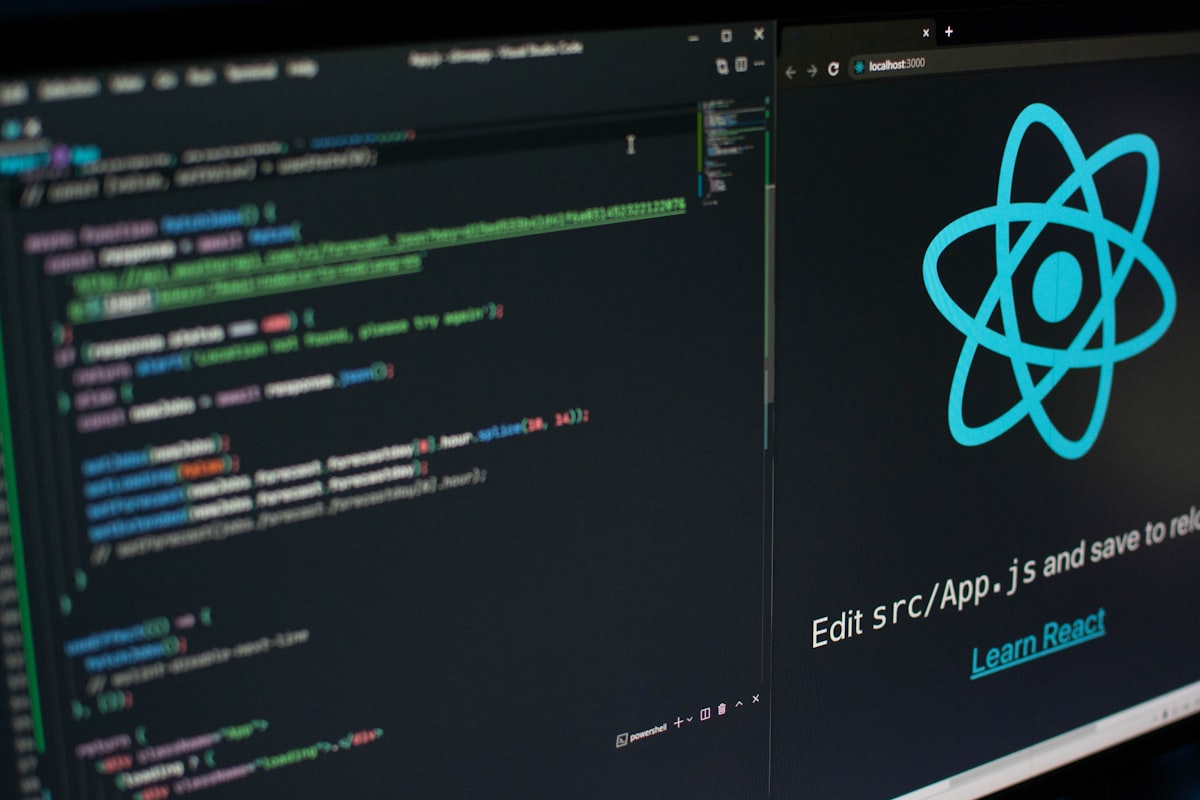
The Great WordPress Divide
In 2026, the WordPress world is split in two. On one side, we have the “Drag-and-Drop” builders like Elementor, Divi, and Beaver Builder. They promise that anyone can build a website. On the other side, we have Custom WordPress Engineering—a discipline that prioritizes clean code, semantic HTML, and sub-second performance.
For a hobbyist, a page builder is a miracle. But for a business that relies on SEO rankings, high conversion rates, and long-term maintainability, page builders are a “Technical Debt” trap. At NeedleCode, we advocate for custom-developed themes and the modern Block Editor (Gutenberg). This is a core part of our WordPress Customization Services. Here is why custom development is the strategic winner for businesses in 2026. For a look at the future of the platform, check out our analysis of WordPress Full Site Editing (FSE).
1. The Performance Penalty of Page Builders
Every time you drag a widget into a page builder, you are adding layers of hidden code (HTML wrappers, complex CSS, and heavy JavaScript libraries).
- The Bloat: A simple “About Us” page built with Elementor often loads 500KB of CSS and multiple JS libraries (like jQuery and Swiper) just to display static text and an image.
- The NeedleCode Way: A custom-coded page only loads the exact CSS needed for those elements. We use utility-first CSS (Tailwind) which typically results in a stylesheet under 20KB for the entire site.
Lighthouse Score Impact
Google’s Core Web Vitals—specifically Largest Contentful Paint (LCP) and Interaction to Next Paint (INP)—are the primary factors for SEO ranking.
- Page Builders: Rarely hit a 90+ mobile score without extreme (and expensive) third-party caching.
- Custom Code: Hits 95-100 on mobile out of the box, giving you an immediate ranking advantage over your competitors.
2. SEO and Semantic Integrity
Google’s crawlers prefer “Lean” code. They want to understand the hierarchy of your content instantly.
- Page Builders: Often produce “Div Soup”—nested
<div>tags 10 layers deep. This makes it harder for crawlers to parse your keywords. - Custom Development: We use semantic HTML5 (
<article>,<header>,<nav>). This clean structure tells search engines exactly what your site is about, leading to faster indexing and higher authority.
3. Maintenance: The Gilded Cage
Page builders are easy to start with, but they are a nightmare to maintain as you grow.
- The Update Fear: When Elementor releases a major update, there is a high chance it will conflict with one of your 20 other “Add-on” plugins, breaking your layout.
- The Lock-In: If you ever want to leave a page builder, you often find your content is trapped in “Shortcode Hell.” You effectively have to rebuild the site from scratch.
The Future-Proof Solution: Gutenberg
At NeedleCode, we build with Custom Gutenberg Blocks. This uses the native WordPress editor, meaning:
- Zero extra bloat.
- Native compatibility with WordPress core updates.
- A seamless editing experience for your team that won’t break the layout.
// Example of a lightweight custom block definition
registerBlockType('nc/service-card', {
    title: 'NeedleCode Service Card',
    icon: 'hammer',
    category: 'layout',
    attributes: { title: { type: 'string' }, description: { type: 'string' } },
    edit: (props) => { /* ... React Edit Interface ... */ },
    save: (props) => { /* ... Clean HTML output ... */ },
});
4. Security: Reducing the Attack Surface
Every plugin you add to a page builder is a potential backdoor for hackers. By choosing custom development, we eliminate the need for dozens of third-party “Add-ons,” significantly reducing your site’s attack surface.
Conclusion: Own Your Technology
Choosing a page builder is “Renting” your site’s architecture. Choosing custom development is Owning it. If your business plans to be around in 5 years, the lower maintenance costs and higher SEO ROI of custom code make it the only logical choice.
Is Your Site Slow and Hard to Manage? The engineers at NeedleCode specialize in migrating bloated page-builder sites to high-performance custom Gutenberg architectures. Get a free performance audit and migration roadmap today.